[Spring Security] hasRole("ROLE_USER") 오류 원인과 ROLE_ Prefix 동작 원리
Spring Security 설정 시 .hasRole("ROLE_USER")를 전달했을 때 발생하는 IllegalArgumentException 오류의 원인을 내부 소스 코드(ExpressionUrlAuthorizationConfigurer)로 파헤치고, hasRole과 hasAuthority의 차이를 정리합니다.
문제 상황
Spring Security를 학습하며 SecurityConfig 설정 클래스의 configure(HttpSecurity http)를 작성하던 중, 교재 예제에서 권한 검증을 다음과 같이 설정한 코드를 보았습니다.
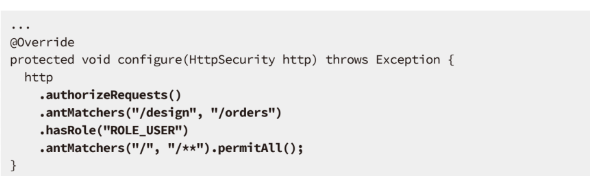
교재에서는 .hasRole("ROLE_USER") 형태로 인가를 설정하는 것과 아래 방식이 동일하게 동작한다고 설명되어 있었습니다.

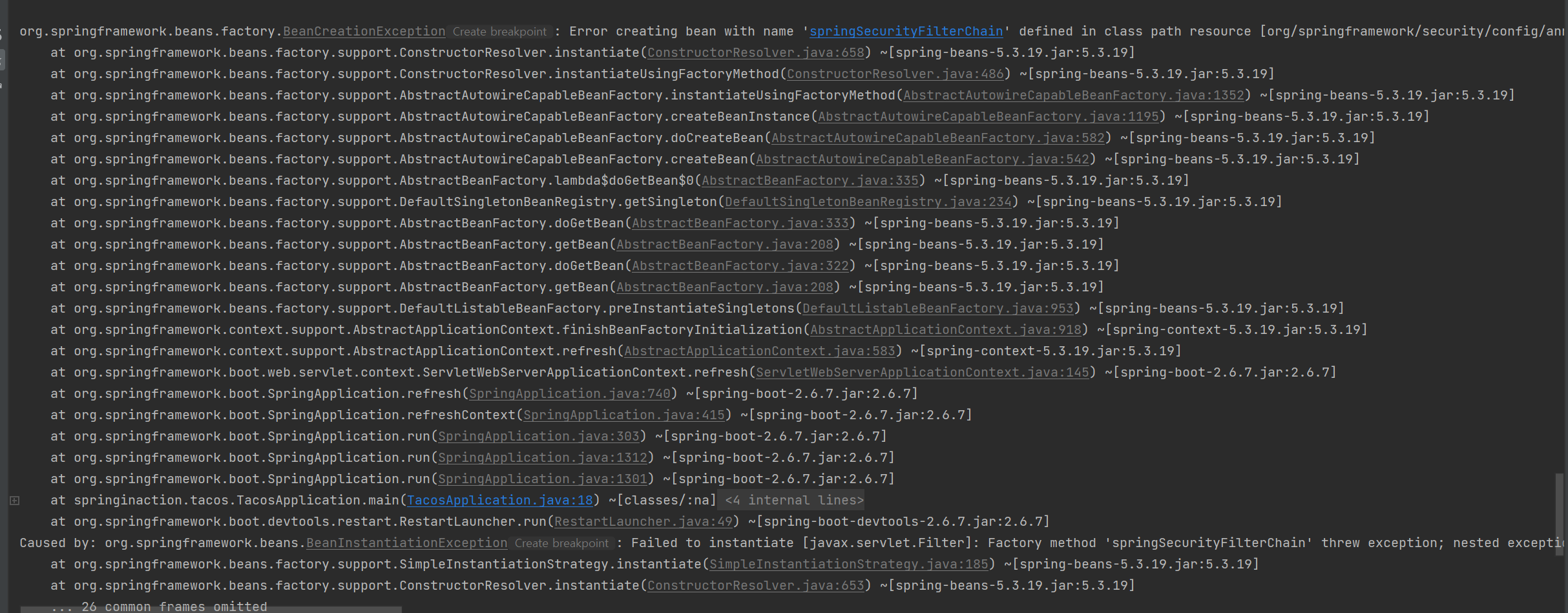
하지만 막상 애플리케이션을 실행해 보면 애플리케이션 기동 시점에 예외가 발생하며 정상 실행되지 않습니다.
원인 분석: hasRole()은 ROLE_ Prefix를 자동으로 붙인다
예외 로그를 자세히 읽어보면 친절하게 원인을 알려줍니다.

role should not start with 'ROLE_' since it is automatically inserted. Got 'ROLE_USER'
hasRole() 메서드 내부 구현(ExpressionUrlAuthorizationConfigurer)을 직접 열어보면 이유를 바로 확인할 수 있습니다.

내부에서 hasRole(role)은 전달받은 문자열 앞에 rolePrefix ("ROLE_")를 자동으로 결합해 SpEL 표현식(hasRole('ROLE_' + role))을 만들어냅니다.
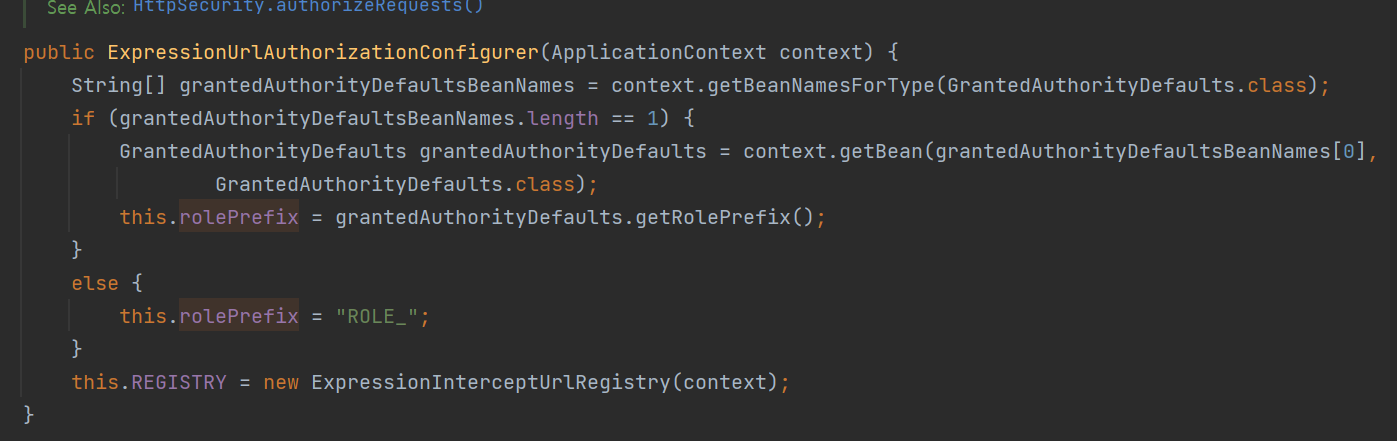
별도의 커스텀 설정을 하지 않는 이상 기본 rolePrefix는 "ROLE_"입니다. 따라서 .hasRole("ROLE_USER")처럼 호출하면 내부적으로는 "ROLE_ROLE_USER"를 검사하게 되는 꼴이 되므로, Spring Security가 아예 기동 단계에서 실수를 잡아 예외를 던져주는 것입니다.
hasRole() vs hasAuthority() 한눈에 비교
| 메서드 | 자동 ROLE_ 추가 여부 |
올바른 사용 예시 | DB / UserDetails 저장 권장 값 |
|---|---|---|---|
hasRole("USER") |
O ("ROLE_USER"로 검사) |
.hasRole("USER") |
"ROLE_USER" |
hasAuthority("ROLE_USER") |
X (입력한 문자열 그대로 검사) | .hasAuthority("ROLE_USER") |
"ROLE_USER" |
해결 방법
hasRole()을 사용할 때는 **ROLE_ 접두사를 제외한 순수 역할명("USER")**만 전달합니다.
@Override
protected void configure(HttpSecurity http) throws Exception {
    http
        .authorizeRequests()
            .antMatchers("/design", "/orders").hasRole("USER") // "ROLE_USER" 권한 검사
            .antMatchers("/", "/**").permitAll()
        .and()
            .formLogin()
            .loginPage("/login")
        .and()
            .logout()
            .logoutSuccessUrl("/")
        .and()
            .csrf().disable();
}
UserDetails.getAuthorities() 구현 시 주의할 점
반대로 UserDetails 인터페이스의 getAuthorities()에서 사용자 권한을 반환할 때는 **접두사 "ROLE_"를 포함한 전체 권한 문자열("ROLE_USER")**을 반환해야 .hasRole("USER")와 정상적으로 매칭됩니다.
@Entity
@Data
@NoArgsConstructor(access = AccessLevel.PUBLIC, force = true)
@RequiredArgsConstructor
public class User implements UserDetails {
    private static final long serialVersionUID = 1L;

    @Id
    @GeneratedValue(strategy = GenerationType.AUTO)
    private Long id;

    private final String username;
    private final String password;
    private final String fullname;
    private final String street;
    private final String city;
    private final String state;
    private final String zip;
    private final String phoneNumber;

    @Override
    public Collection<? extends GrantedAuthority> getAuthorities() {
        // Security 설정의 .hasRole("USER")와 매칭되도록 ROLE_ 접두사를 포함해 반환
        return Arrays.asList(new SimpleGrantedAuthority("ROLE_USER"));
    }

    @Override
    public boolean isAccountNonExpired() { return true; }

    @Override
    public boolean isAccountNonLocked() { return true; }

    @Override
    public boolean isCredentialsNonExpired() { return true; }

    @Override
    public boolean isEnabled() { return true; }
}
[BOJ 1062] 가르침 (Java) - 백트래킹 조합 탐색과 비트마스킹 최적화
NEXT LOG →[Spring Security] 스프링 시큐리티 인증·인가 구성 및 UserDetailsService 구현 정리